

There are more than 100,000 items in The Seattle Public Library’s Special Collections. The Hugh and Jane Ferguson Seattle Room, on Level 10 of the Central Library, houses extensive collections of photographs, postcards, city documents, news articles, and maps. There are oral histories from Seattle residents, menus from notable restaurants, yearbooks from Seattle schools, works by local artists, and more unique ephemera.
Elsewhere, the library holds the largest primary genealogical resource in the state and one of the largest collections of African American literature and history on the West Coast. These collections are available and accessible to anyone — for free, and forever — thanks to the library’s stewardship.
The preservation of history is a core part of the library’s mission. Free access to historical knowledge, particularly the stories of traditionally excluded people and cultures, is essential for an educated and inclusive society.
What does it take to build, maintain, and showcase these collections? What do they provide for our community?
The Seattle Public Library Foundation’s recent issue explored the work that goes into creating the Seattle Room Collections, and why support is so critical to protecting and expanding historical knowledge.
Bringing the shards of history together
The behind-the-scenes work of restoring historical materials so they are ready for the public is labor intensive. Special Collections staff often have to clean and repair objects that come into their care, well before they can catalogue and make the item available to the public. This requires staffing capacity, archival quality supplies, and specialty tools necessary for long-term preservation.
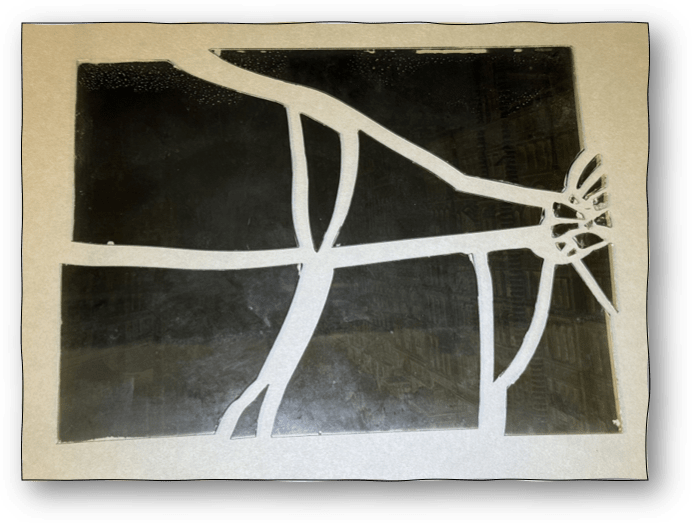

In one recent case, a broken glass negative of a historic photograph was donated to the Seattle Room. Library specialists were able to carefully reassemble the shards of the negative, which eventually revealed a historic photograph of Pioneer Square circa 1910.
After the slow, careful work of identifying the location, time and context of the photograph, librarians were able to add it to our collections.

“My jaw dropped”: How researchers and writers use the Seattle Room collections
How do Seattle-area writers and researchers make use of this wealth of resources?
Local writers have long relied on the library to provide key details and discoveries that inform and deepen the stories they tell. They frequently make appointments in the Seattle Room, scour digital databases, or immerse themselves in the library stacks as they research and refine their latest works.
Hunting through history was important to Shaun Scott, who represents the 43rd District in the Washington State Legislature. Rep. Scott is the author of “Heartbreak City: Seattle Sports and the Unmet Promise of Urban Progress.”
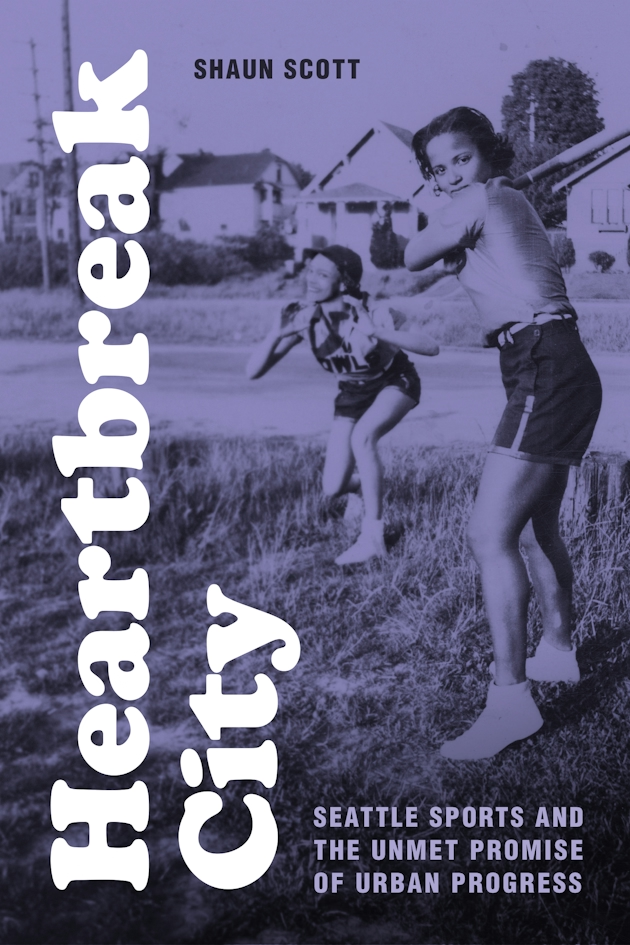
The book emphasizes the meaning of sports to marginalized communities. He pointed to a specific book he found in the Seattle Room, a record of early Black baseball teams called “Sunday Afternoons at Garfield Park,” as emblematic of how collecting often-overlooked stories helps illustrate the true depth and diversity of history.
“The beach is composed mostly of grains of sand, and I think that history works in the same way,” Rep. Scott said. “You can get a very rich panoramic picture if you’re willing to delve into the pixels. And that’s what the archival storehouse at the library helped me do.”
Karen Treiger approached research from a more personal angle while working on her book “Standing on the Crack: The Legacy of Five Jewish Families from Seattle’s Vibrant Gilded Age.” She typed a family surname into Special Collections’ online search tool and immediately found a history of Seattle’s first department store.

“My jaw dropped, and I got myself down to the library the next day.” Treiger said. The Seattle Room staff directed her to a one-of-a-kind manuscript chronicling the mercantile business of her great-great grandfather. “I couldn’t believe my good fortune.”

Journalist and historian Knute Berger has extensive experience with Special Collections. Now the host of the Cascade PBS history show Mossback’s Northwest, Berger recently filmed an episode in the Seattle Room, where he located a ledger from 1889 detailing the first 10 books provided at one of the first iterations of the public library.
Materials like that, Berger said, provide a snapshot of what residents were reading and what they cared about at an early stage of the city’s history. But more broadly, he argued that the resources in the Seattle Room have become even more valuable in the age of artificial intelligence and widespread misinformation.
“It’s important to preserve and protect photographs and other records so that we have a record of the truth,” Berger said.
Other writers echoed Berger’s sentiments about the value of historical knowledge for our society and democracy.
“The library is what it looks like to water democracy right at the root,” said Rep. Scott. “Continued support for it is going to mean the world not just for people today, but forever.”
Read the full article and find out how you can support this work at The Seattle Public Library Foundation’s website
Article excerpted with permission from The Seattle Public Library Foundation