
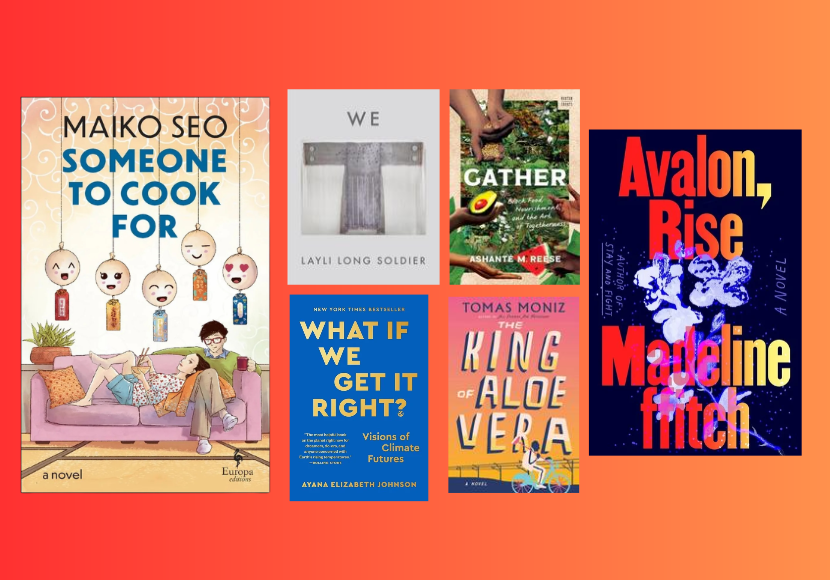
The advent of winter is an ideal time to resist the pull of consumerism and move toward gratitude, mutualism and community.
While the darkening days can be an invitation to retreat, these books argue that connection with one another and the natural world is a more impactful path forward.


Originally published in 2024, Ayana Elizabeth Johnson’s “What If We Get It Right?: Visions of Climate Futures” was updated this year to address the massive changes in climate policy in the past few years.
Johnson, a marine biologist, asserts that while climate change is real and scary, in the face of despair, collective action is the way forward. Or as lawyer and climate justice advocate Colette Pichon Battle says, “The answer to all of this is community, and knowing people, and building from there.”
This book is filled with interviews with clear-eyed people working to address the problems on our planet in every realm imaginable, from farmers to urban planners, to museum curators and poets. The 27-hour audiobook is worth the listen to hear these folks describe their work, vision and poems in their own voices.
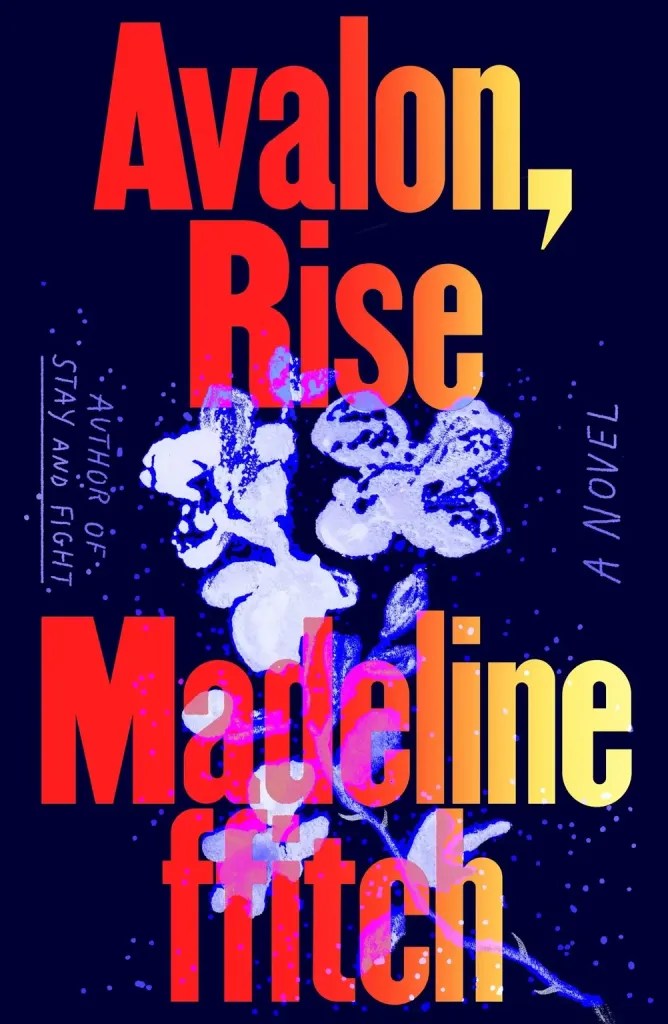
The novel “Avalon, Rise” by Madelineffitch asks on a local scale, “How does community come together in times of crisis?”
Woody and Leroi grew up together in Appalachian Ohio, but as young adults, they’ve grown apart: Woody has dedicated himself to drugs and his beloved printing press, while Leroi, one of the few Black residents of Avalon, is a rising leader in the local antifascist and community defense group.
When white supremacist groups descend upon Avalon, their loyalties to each other, their families and the cycles of violence endured by town members come to a head.
Maiko Seo’s “Someone to Cook For,” translated from Japanese by Laurel Taylor, brings warmth, gratitude and resilience together in one delicious story, part of a subgenre known as healing fiction.
In her senior year of high school, Yuko is on her fifth parental guardian, the result of her mother’s early death and frequent remarriages by her stepmother after her father’s departure overseas. The guardian, Mr. Morimiya, seeks connection with Yuko through food as she struggles through high school drama, helping her frame her tumultuous upbringing as a source of strength.
Years later, after Yuko has found love as an adult, she seeks blessings for her marriage from the parents she can track down, reflecting on the ways each cared for her with their individual strengths.


In “Gather: Black Food, Nourishment, and the Art of Togetherness,” anthropologist Ashanté M. Reese takes a deep and intimate look at food justice, tying nourishment through what we eat to the social practices that bring Black people together.
Using both historical and contemporary examples, she lays out the connection between access to food and self-determination, and the power of building community and freedom through the rituals of gathering to eat and radical hospitality.
Vivid descriptions of church-led food gardens, family reunions, healing through homegoings and repasts, and growing mutual aid networks in Texas during winter storms show how people provide care and sustenance when systems fail to.
In “The King of Aloe Vera,” Tomas Moniz introduces readers to Reyes Miguel Calderón, an aging widower living out the last days in his apartment in San Francisco’s Mission neighborhood before he’s set to move to a retirement community.
Though he’s lost his zest for life in the eight years since his wife died, his days are filled with volunteering at the local library, dance classes at the senior center and sweeping trash and cigarette butts from his building stoop.
When chance keeps bringing him face-to-face with Reina, nicknamed “Q,” a 21-year-old neighbor on probation, his world opens to more connection, possibility and community.
There’s no easy way to categorize Layli Long Soldier’s “We,” a National Book Award-longlisted collection of poetry, art and essays that looks at what it means to relate to family, history, the land and language. With one accent mark, the word “We” in English becomes “Wé” in Lakota, meaning blood, denoting both violence and kinship.
Soldier explores concepts of family, solidarity, genocide and grief in powerful forms, like “184 X’s,” a poem dedicated to the 184 Očéti Šakówiŋ tribal leaders who could not read the 1868 Treaty of Fort Laramie and thus were forced to sign with X’s, ceding their spiritual and ancestral lands: “X marks an unusual declaration, then, that I felt a love for our land long before I / existed.”
By Reader Services librarian Jane Singer
This column was originally published in part in the Seattle Times as part of our monthly column, and is reprinted here with permission.