
If you stop by the Central library this month, you’ll see we have a display celebrating Women in Translation month, an annual celebration of women writers from around the world, writing in languages other than English. Started in 2014, #WITMonth seeks to rectify the imbalance in world literature, promoting women writers from across all walks of life, all languages, and all experiences. Here’s just a handful of the wide array of books in this year’s display:

Belle Greene, by Alexandra LaPierre (France), translated by Tina Kover.
 One of two recent novels to tell the intriguing true story of Belle da Costa Greene, a young Black woman who passed for White and rose to become the first director of J.P. Morgan’s library. Like her American counterpart Marie Benedict (aka Pittsburgh novelist Heather Terrell), LaPierre specializes in fictionalized biographies of fascinating, little known women from history, and this engaging and well-researched glimps of an extraordinary librarian who enjoyed great opportunities at a terrible cost is no exception.
When Women Kill: Four Crimes Retold, by Alia Trabucco Zerán (Chile), translated by Sophie Hughe
 Not to be confused with the recent TV series, lawyer and Booker Prize finalist Zerán’s captivating true crime title takes an in depth look at four murders spanning twentieth century Chile. No mere tawdry tale of blood and passion, this engrossing title explores the complex factors that lead women to take a life, and how the pressures of a patriarchal society have paved the way to such dramatic and bloody conclusions.
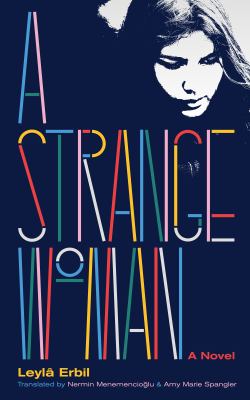
A Strange Woman, by Leylâ Erbil (Turkey), translated by Nermin Menemencioğlu and Amy Marie Spangler.
 In wildly original and often hilarious non-linear prose, we follow the story Nemin, a young poet coming of age in Istanbul, as she navigates her devotion to her own traditionalist parents as they struggle with a changing world, and her role in bringing about that change through brash new ways of expressing herself. Bold and iconoclastic when it first came out in 1971, the book retains its ability to startle and delight in this new English translation.
The Barefoot Woman, by Scholastique Mukasonga (Rwanda), translated by Jordan Stump.
 A moving, affectionate and heartwrenching portrait of the author’s mother Stefania, a wry wisewoman, a daring refugee, and ultimately a victim of the Rwandan genocide, and a vivid sensory depiction of so many other lives in this “land of stories,” with their triumphs and tragedies. This stunning work stands as a bridge from Mukasonga’s harrowing account of the genocide – Cockroaches – and her autobiographical story collection, Igifu (‘hunger’).
Visit WomenInTranslation.org for annual lists of titles, and much more.
~ Posted by David W.
Leave a Comment