
In the last column exploring Mark Cousin’s The Story of Film,
we looked at the early years of Hollywood and the beginnings of what Cousins’ refers to as “the bauble.” This column will focus on what was happening in other countries, where other directors were making films that were very different from Hollywood and featured their own way of looking at the world. Some of these directors would eventually emigrate to America, bringing their vision of cinema with them and adding their talents & innovations to Hollywood’s films.

An early émigré from Germany was director Ernst Lubitsch, who would specialize in elegant, sophisticated comedies with an amused attitude towards love and romance. For an example of Lubitsch’s silent films, try The Marriage Circle, which follows a happily married couple and their interactions with another couple whose marriage is less a partnership than a perpetual feud. Lubitsch’s later sound films would include witty dialogue, adding to the fun of such films as Design For Living and To Be Or Not To Be.

Another influential German filmmaker who would eventually emigrate to America was Fritz Lang. Lang’s influence would be felt most keenly in the thriller and film noir genres and his early German silent films include such classic examples as M and Dr. Mabuse the Gambler. Perhaps Lang’s best known film is Metropolis, an early science fiction film whose look would heavily influence the new genre, especially movies like Blade Runner and Star Wars (which takes C-3PO’s design from Metropolis’ famous robot).

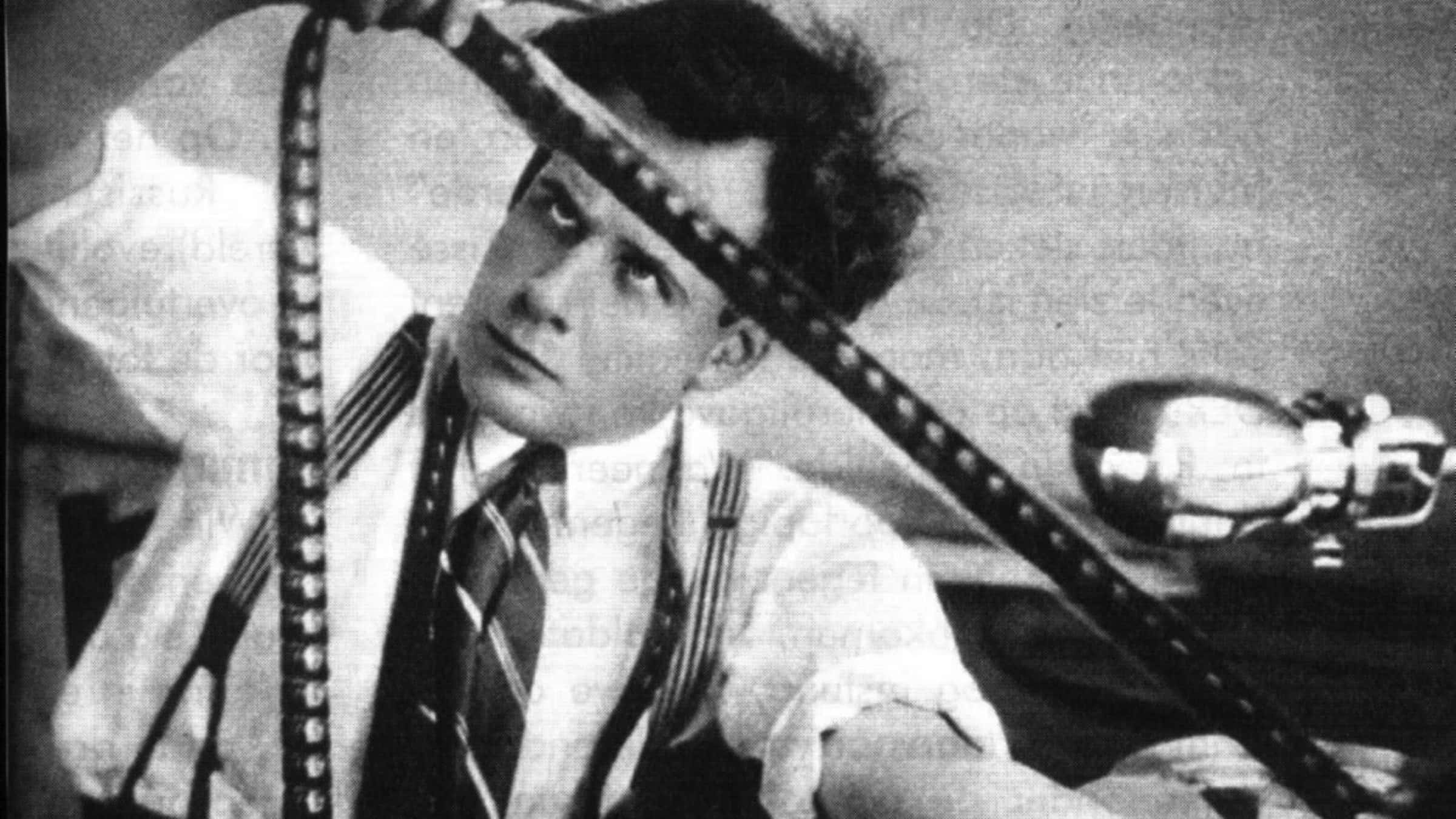
One of the most influential film directors on cinema would be the Russian filmmaker Sergei Eisenstein. Eisenstein’s theory of montage (the linking of related images to influence an audience’s emotions and create metaphor) would directly shape cinema as an art form and is vividly used by him in the films Strike and the classic Battleship Potemkin. His contemporary, French filmmaker Abel Gance, would build upon Eisenstein’s use of montage and expressive cinematography on an epic scale with such films as J’Accuse and La Roue.

While European influence on early cinema is well known, less focus is often given to the work of Asian film directors working at the time. Directors such as Yasujiro Ozu and Kenji Mizoguchi would give their films a very different feel from those of their European contemporaries, using long, slow takes and direct cuts from scene to scene instead of fades or dissolves. Ozu’s silent films often used non-actors and began his use of the “tatami shot” where the camera is placed only one or two feet above the ground. This would become one of his signature techniques, which can be seen in such later sound films as Floating Weeds and his masterpiece Tokyo Story. Both Ozu and Mizoguchi’s films would often focus on the plight of women in Japan, with Ozu focusing on the contemporary and Mizoguchi exploring the past with such films as Chickamatsu Monogatari and the ghost story Ugetsu.

~ Posted by Deanna H.
Leave a Comment